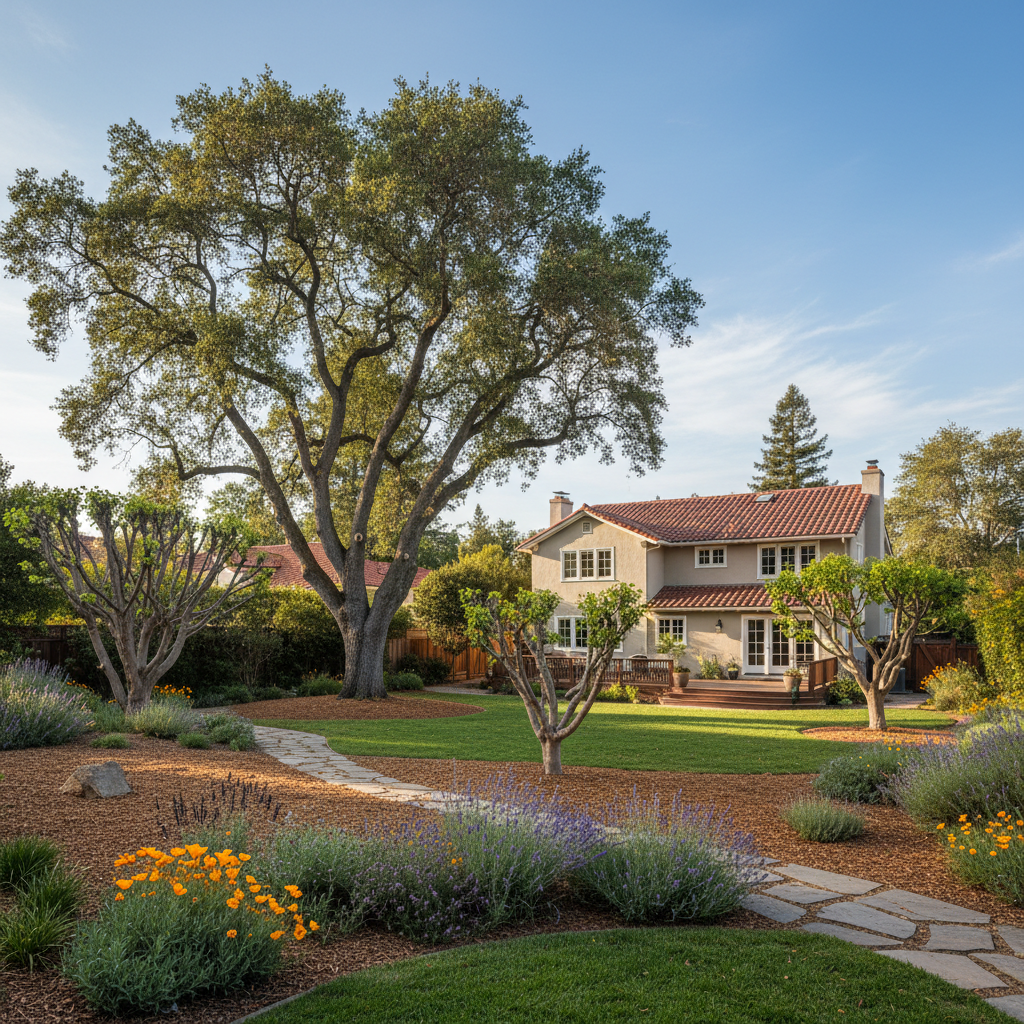
Thinking about getting your trees pruned? Smart move. It's truly one of the best things you can do for their health and, frankly, for keeping your property safe. But it's not quite as simple as just calling someone up and saying, "Hey, come cut my trees." There's a little planning involved if you want it done right, especially here in Menlo Park where we're lucky enough to have some truly beautiful, mature trees that need careful attention.
When's the Best Time to Prune?
Timing, believe it or not, is pretty critical when you're pruning trees. For most deciduous trees (you know, the ones that shed their leaves), the dormant season is usually your best bet. That typically means late fall after all the leaves have dropped, or late winter just before new buds start to swell. Why then? Well, without leaves in the way, it's a lot easier for us to really see the tree's structure and spot any dead, diseased, or crossing branches. Plus, the tree is under less stress during dormancy, and it's less likely to attract pests or diseases to those fresh cuts.
Now, for some flowering trees, you might want to prune them right after they finish blooming. That way, you won't accidentally snip off all the flower buds for next year. Evergreens, like the many oaks and redwoods we see around Menlo Park, can often be pruned any time of year. Still, it's generally a good idea to avoid the hottest summer months or periods of extreme cold. If you're dealing with a tree that's got a disease or poses an immediate hazard, though, that's an emergency, and we'll prune it whenever it needs to be done, no matter the season.
What Happens During the Pruning Process?
Okay, so you've got a crew scheduled. What's actually going to happen? First off, we'll confirm exactly what work we're doing. We'll walk around with you, point out our plan, and just make sure we're all on the same page. Then, the crew will get to work. Depending on the tree's size and how much pruning it needs, this could take anywhere from a few hours to a full day, maybe even more.
You'll see us using all sorts of tools: hand pruners for smaller branches, pole pruners for those tricky, higher spots, chainsaws for the bigger stuff, and sometimes even a bucket truck or climbing gear for really tall trees. Safety is always our number one concern, always. We'll set up cones, tape off the work area, and make sure everyone on the ground stays clear. You'll definitely hear chainsaws, chippers, and general work noise, so if you have sensitive pets or little ones, you should plan for that.
Once the pruning is finished, we'll chip up all the branches and haul away the debris. Our goal, honestly, is to leave your yard looking cleaner than we found it. We'll do a final walk-through with you to make sure you're happy with everything. Please, don't be shy about asking questions or pointing something out if it doesn't quite look right.
How to Get Your Property Ready
Before the crew even arrives, there are a few simple things you can do to make our job easier and, more importantly, keep your property safe:
- Clear the work area: Move any patio furniture, grills, planters, toys, or anything else that's under or really close to the tree. This protects your belongings and gives us clear access.
- Secure pets: Keep your dogs, cats, and any other animals indoors or in a secure, fenced spot far from the work zone. The noise and activity can really stress them out, and we definitely don't want anyone getting hurt.
- Inform your neighbors: If the tree is near a property line, or if we'll need to access it from their side, just give your neighbors a heads-up. It's just good manners, right?
- Mark sprinkler heads or delicate plants: If you have anything fragile or easily damaged nearby that we might miss, point it out or mark it clearly.
- Ensure access: Make sure we can get our trucks and equipment close to the tree. If there are gates, unlock them.
Honestly, a little preparation on your part goes a long way in making the whole project run smoothly for everyone involved.
Crucial Questions Before You Sign a Contract
Before you commit to any tree service, you absolutely have to ask the right questions. This protects you and helps ensure you're hiring a truly professional crew. Here's what I'd want to know if I were in your shoes:
- Are you licensed and insured? This is non-negotiable, period. Make sure they have liability insurance and workers' compensation. Ask for proof, and then actually call their insurance provider to verify it. If someone gets hurt on your property and they're not insured, you could be stuck with the bill.
- Can you provide references? A reputable company will be more than happy to give you names and numbers of past clients.
- What's your experience with trees like mine? Some trees, like our older heritage oaks here in Menlo Park, demand specialized knowledge. You want someone who really understands the specific needs of your tree species.
- Will you provide a written estimate? Get everything in writing: the scope of work, the cost, what's included (like debris removal), and the timeline.
- What are your safety protocols? Ask about their safety training and the equipment they use.
- Are you an ISA Certified Arborist? While not every crew member needs this certification, having a certified arborist on staff or overseeing the work means they've got a higher level of professional knowledge.
- How will you protect my property? Ask specifically about the steps they'll take to prevent damage to your lawn, landscaping, or any structures.
- What's your clean-up plan? Confirm that all debris will be removed and your property will be left tidy.
Taking the time to ask these questions upfront can save you a lot of headaches later, believe me. At All Things Tree, we're always transparent about our process and happy to answer any of these for you. Pruning is an investment in your property's future, so make sure you're working with a team you can truly trust.