Do I really need to remove that old tree stump? Can't I just leave it?
Look, you can absolutely leave a stump if you want to. It's your yard, right? But here's what I've seen over the years: stumps are more than just an eyesore. They can attract pests like termites, ants, and beetles, which you definitely don't want migrating to your house. They can also become a tripping hazard, especially if you've got kids running around or if it's in a high-traffic area. Plus, they take up valuable space. Imagine what you could do with that spot – a new rose bush, a small veggie patch, or just more lawn. Leaving it also means it'll eventually rot, which can take years, and during that time, it's not exactly pretty. So, while you don't *have* to, most folks find it's a worthwhile investment to get rid of it.
What's the difference between stump grinding and stump removal?
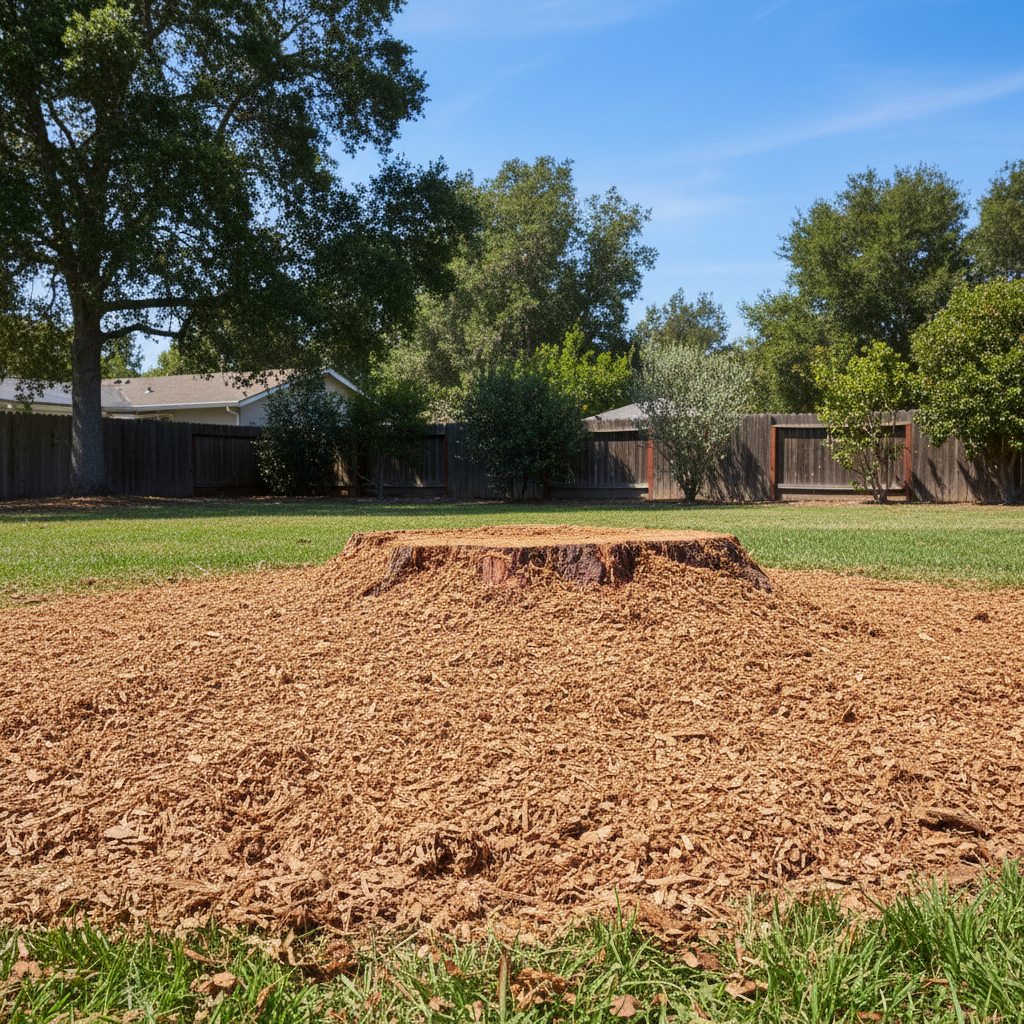
This is a common question, and it's important to get it straight because they're not the same thing. Stump grinding is exactly what it sounds like: we use a specialized machine with a big, spinning blade to grind the stump down into wood chips. We usually go about 6 to 12 inches below grade, sometimes more depending on what you're planning for the area. This gets rid of the visible part of the stump and most of the major root flare. You're left with a pile of wood chips and a hole. Stump removal, on the other hand, means getting the entire stump *and* all its major roots out of the ground. This is a much bigger, more invasive job. It often involves heavy machinery, digging, and can leave a significant crater in your yard. For most homeowners, stump grinding is the practical and cost-effective choice. It solves 99% of the problems a stump presents.
How deep do you grind the stump? And what happens to the roots?
Typically, we grind stumps down about 6 to 12 inches below the soil surface. This is usually enough for you to plant grass, lay sod, or even put in a new garden bed without the old stump interfering. If you're planning to build something like a deck foundation or pour concrete, we might need to go deeper, sometimes 18-24 inches. As for the roots, the grinding process takes care of the main root crown and any large surface roots directly connected to the stump. The smaller, deeper roots are left in the ground. Don't worry, once the main stump is gone, those roots will naturally decay over time. They won't sprout new trees, and they generally don't cause issues.
How much does stump grinding cost in Menlo Park?
Alright, let's talk brass tacks. The cost of stump grinding isn't a one-size-fits-all number. It depends on a few key factors: the diameter of the stump (measured at its widest point, usually the root flare), the type of tree (some wood is harder to grind than others), access to the stump (can we get our machine right up to it, or do we have to drag it through a narrow gate?), and how deep you need it ground. A small, easily accessible stump might be a couple of hundred bucks, while a massive oak stump in a tricky spot could be significantly more. We always come out to give you a free, no-obligation quote so you know exactly what you're looking at. Don't just go by phone estimates; we need to see it to give you an accurate price.
What about the wood chips? Do you haul them away?
When we grind a stump, you end up with a pile of wood chips mixed with some soil. What happens to them is usually part of the discussion when we give you a quote. Most of the time, we can leave the chips for you. They make excellent mulch for your garden beds, helping to retain moisture and suppress weeds. Plus, they're free! If you don't want them, we can absolutely haul them away for an additional charge. Just let us know your preference. We'll refill the hole with some of the chips and soil, leaving the area as neat as possible, but it's rarely a perfectly flat, ready-to-plant surface without a little extra work from your end.
Can I plant a new tree in the same spot after grinding?
This is a tricky one, and my honest answer is: I generally don't recommend it, at least not immediately. Even after grinding, there are still old roots and wood chips in the soil. As these break down, they can deplete nitrogen from the soil, which isn't great for a new tree trying to establish itself. Plus, the old root system can sometimes harbor diseases or fungi that could affect a new planting. If you absolutely have to plant in the same spot, you'll want to dig out a much larger area than the original stump, remove as many chips and old roots as possible, and amend the soil heavily with fresh topsoil and compost. It's often better to shift your new tree a few feet away if you can. Here in Menlo Park, especially with our clay soils in some areas, giving a new tree the best start means fresh, uncompromised ground.
How long does the grinding process take?
For most residential stumps, the actual grinding process itself is surprisingly quick. A medium-sized stump might only take 30 minutes to an hour of actual grinding time. Larger stumps, or those in really tough spots, will take longer, maybe a few hours. Keep in mind, that's just the grinding. There's also the setup, getting the machine in place, cleanup, and any discussions we have. So, while the machine is only running for a short while, plan for us to be on-site for a bit longer. We're efficient, but we don't rush. We want to make sure the job's done right, and that you're happy with the result from All Things Tree.