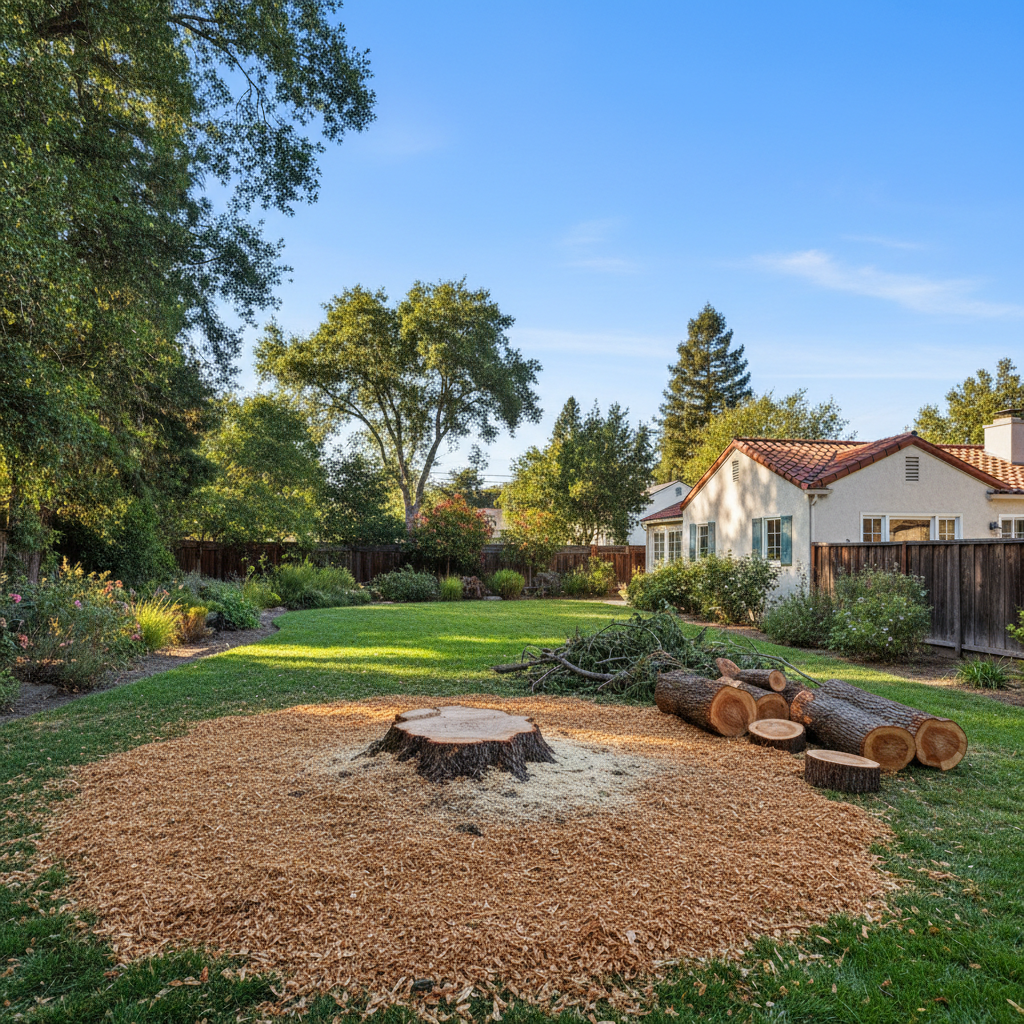
So, you've just dealt with an emergency tree removal. Maybe that old oak in your backyard finally gave up the ghost during a big winter storm, or maybe a sudden gust brought down a heavy limb right near your power lines. Whatever the reason, the immediate danger is gone, and you’ve got a clean slate. But here’s the thing: the job isn’t truly finished once the tree’s hauled away. You’ve still got to think about what happens next to make sure that area stays safe and doesn't cause you more headaches down the road. It’s a bit like closing out a big project, isn’t it?
Making the Work Last
When I talk about 'making the work last,' what I really mean is stopping future problems from popping up where that tree used to be. If we ground out a stump, you’ll usually find a pile of wood chips left behind. Don't just leave those there forever. Sure, they’ll break down eventually, but they can also turn into a cozy home for pests like termites, especially with our mild Bay Area climate. You’ll want to spread those chips out, or even better, scoop up some of the extra and replace it with fresh soil. This helps the ground settle properly and keeps those unwanted visitors away.
If we took the tree down because it was sick, you need to be extra careful. Spores or pathogens can hang around in the soil. We always do our best to clean up thoroughly, but it’s smart to think about adding soil amendments or even letting the area rest for a bit before you plant anything new. You certainly don't want to plant a new, healthy tree only for it to catch the same bug.
Oh, and don't forget about drainage. A big tree soaks up a ton of water. Once it’s gone, all that water has to go somewhere else. Keep an eye on how water drains in that spot, especially during our heavy winter rains. You might notice new puddles or areas that stay soggy, which could affect nearby plants or even your home’s foundation if it’s too close.
What Regular Maintenance Looks Like
Regular maintenance for a tree removal site is pretty simple, but it’s still important. First off, watch the ground where the stump used to be. Some settling is totally natural. You might see a slight dip form as the remaining roots decompose. If it gets too deep, you’ll want to add more soil to level it out. This prevents trip hazards and helps keep your yard’s grade consistent.
If there are any roots left, especially big ones, keep an eye on them. Sometimes, smaller roots will try to sprout. You’ll want to snip those back as soon as you see them. They’re usually weak and won't grow into anything substantial, but they can be an eyesore and steal nutrients from other plants you might want to grow.
For any nearby trees that we didn't remove, but perhaps got a little damaged during the emergency, make sure they get proper care. They might have been stressed, or had some minor limb damage that wasn’t obvious right away. A good pruning to take off any broken branches and a check for structural integrity can save you another emergency down the line.
Warning Signs of Trouble
You’ve got to be a bit of a detective sometimes. Here are a few things that should make you pick up the phone:
- Significant Ground Sinking: A little settling is normal, but if you see a deep hole forming, or if the ground around it is cracking, that’s a big red flag. It could mean there’s a larger void underground or issues with soil stability.
- New Pests: An increase in termites, ants, or other wood-boring insects in the general area of the old tree. They might be drawn to any wood still in the ground.
- Fungal Growth: Mushrooms or other fungi popping up where the tree was. This means there’s still organic material breaking down, and sometimes, it can point to a persistent problem with disease or decay.
- Unusual Plant Growth: If you’ve planted something new and it’s struggling, or if you see strange, discolored growth, it could be a sign of lingering pathogens or nutrient deficiencies in the soil.
- Water Pooling: As I mentioned earlier, new drainage issues. If water is consistently pooling and not draining, it can lead to root rot in new plantings or even foundation problems.
When to Call a Professional
You don't need to be an arborist, but knowing when to bring one in is key. Obviously, if you see any of those warning signs I just listed, it’s time to call us at All Things Tree. We can assess the situation, whether it’s a soil issue, a pest problem, or a concern about remaining roots.
If you're planning to plant a new tree in the same spot, it’s a really good idea to have us come out first. We can check the soil, recommend the best species for our specific Menlo Park conditions – thinking about everything from our clay-heavy soils in some areas to the microclimates near the Bay – and make sure the site is properly prepared for a healthy start. Planting the wrong tree or planting it incorrectly is just asking for trouble later on, believe me.
Also, if you're ever unsure about the health of surrounding trees after an emergency removal, don't guess. A professional assessment can catch problems early, before they become another emergency. We’re here to help you keep your property safe and beautiful, not just after a disaster, but for the long haul.