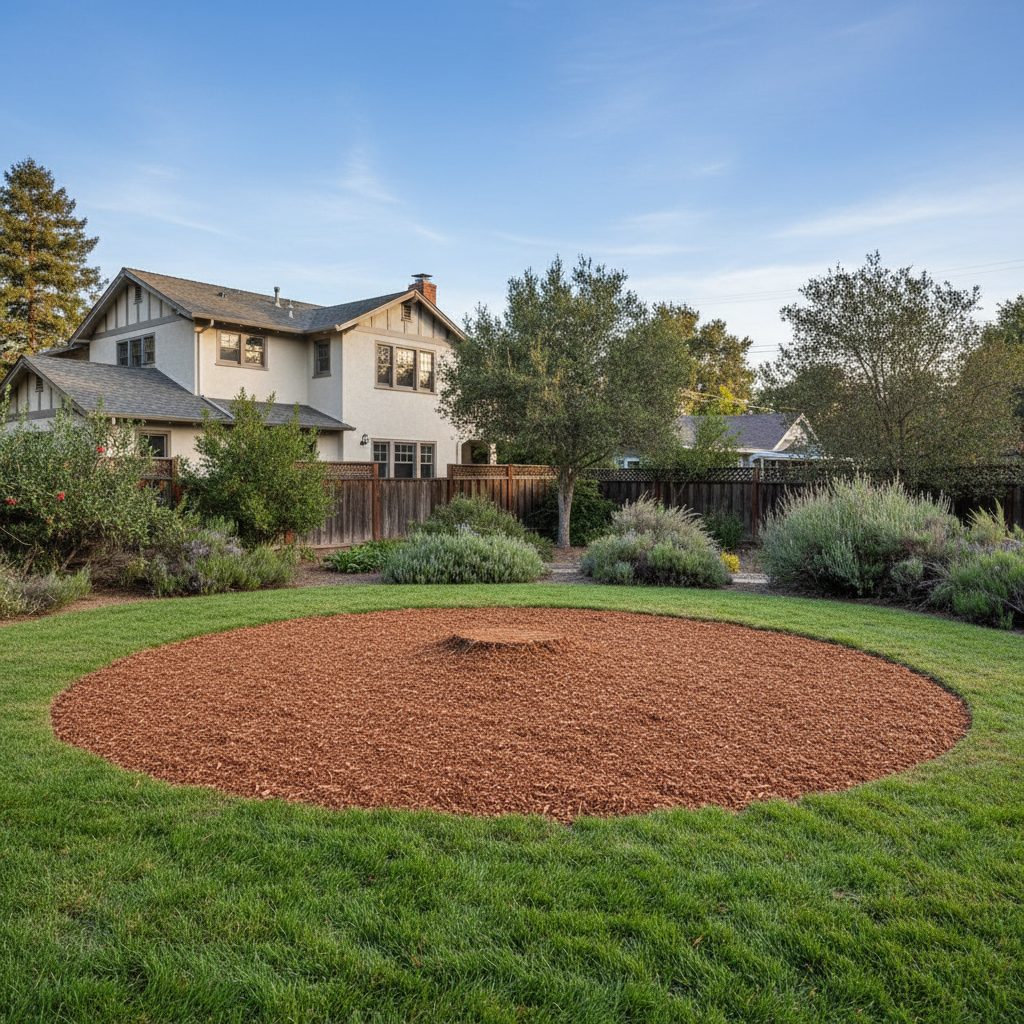
So, you've had a tree removed from your property. Maybe it was an old, ailing oak, or a pine that got too close to the house during one of our stronger winter storms. You might think, 'Great, that's done.' But actually, there's still some important work to do, especially if you want to avoid headaches down the road. This isn't just about aesthetics; it's about protecting your investment and your property.
Extending the Life of the Work
When we talk about extending the 'life' of tree removal work, we're really talking about ensuring the area remains stable, healthy, and doesn't create new problems. The biggest thing here is managing the stump and roots. If you opted for stump grinding, that's a good start. The grinder chews up the stump below ground level, making it easier to replant or landscape over. But you'll still have a hole filled with wood chips and soil.
You want to make sure that area is properly backfilled and graded. If you just leave a depression, it's going to collect water, which can lead to rot, mold, or even attract pests. We often recommend using a mix of the grindings, fresh topsoil, and maybe some compost to fill the void. This helps the ground settle evenly and provides a good base if you're planning on laying sod or planting something new. Don't just dump dirt in there and walk away; compact it a bit as you go, and make sure it's slightly mounded to account for future settling.
Another key factor, especially here in Menlo Park with our clay-heavy soils, is drainage. If the removed tree was soaking up a lot of water, its absence could change local drainage patterns. Keep an eye on the area during our rainy season. If you see water pooling where it didn't before, you might need to adjust the grading or consider some minor landscaping to direct water away from your foundation or other plants.
Regular Maintenance Post-Removal
Regular maintenance after a tree removal is pretty straightforward, but it's crucial. Here's what I tell folks:
- Monitor the Stump Grind Area: For the first year, keep an eye on the ground where the stump was. It will settle, sometimes quite a bit. You'll likely need to add more soil a few times to keep it level.
- Watch for New Growth: Even after grinding, some root fragments can try to sprout. These are called suckers or epicormic growth. If you see little shoots popping up around the old tree's footprint, just cut them back as soon as you spot them. The younger they are, the easier they are to remove, and it prevents the root system from trying to regenerate.
- Water Management: As I mentioned, pay attention to how water behaves in that spot. If you're replanting, make sure your new plants are getting the right amount of water, and that excess isn't causing issues for your house or other landscaping.
- Clear Debris: Keep the area clear of any remaining wood chips or debris that might have been missed. This prevents potential pest habitats and keeps your yard tidy.
Warning Signs of Problems
You've done the removal, you've done the initial cleanup, but sometimes things can still go wrong. Here are a few warning signs you should look out for:
- Persistent Sucker Growth: If you're constantly battling new shoots from the old roots, it means the root system is still very much alive and trying to come back. This can be a nuisance and might require further treatment, like an herbicide application directly to the cut suckers.
- Fungal Growth: Mushrooms or other fungi appearing around the old stump area are a sign that there's still decaying wood present. While some fungi are harmless, others can indicate a deeper issue or even spread to other plants if they're pathogenic.
- Unusual Settling or Sinkholes: If the ground around the removal site starts to sink dramatically or you see actual holes forming, that's a red flag. It could mean the backfill wasn't done correctly, or there's significant decomposition happening underground, potentially creating voids.
- Pest Infestation: Termites, carpenter ants, or other wood-boring insects can be attracted to decaying wood left behind. If you notice signs of these pests near the removal site, it needs attention.
When to Call a Professional
Look, you don't need to call us for every little sprout. But there are definitely times when it's smart to pick up the phone and get All Things Tree out there:
- Stubborn Regrowth: If you're cutting suckers every week and they just keep coming back with a vengeance, you've got a persistent root system. We can assess the situation and recommend more effective treatments.
- Significant Ground Settlement: If you've got a sinkhole forming or the ground is settling unevenly and creating a trip hazard, we can help re-grade and stabilize the area properly.
- Suspected Pest or Disease Issues: If you're seeing a lot of fungal growth, or you suspect termites or other pests are making a home in the old stump area, it's best to have an expert take a look. We can identify the problem and suggest the right course of action to protect your property and other trees.
- Planning New Plantings: If you're looking to plant a new, substantial tree or do major landscaping in the spot where the old tree was, it's a good idea to consult with us. We can advise on soil amendments, root barrier considerations, and ensure the new planting has the best chance to thrive without interference from old roots.
Taking a little extra care after a tree removal really does pay off. It keeps your property safe, prevents future problems, and ensures your yard stays looking great. Don't hesitate to reach out if you're unsure about anything; we're always happy to help our Menlo Park neighbors.